
描述:
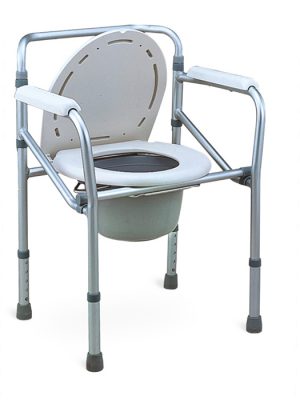
5513疝气辅助


腹股沟疝气is an operation to repair a weakness in the abdominal wall that abnormally allows abdominal contents to slip into a narrow tube called the腹股沟管在腹股沟区域。
手术仍然是所有类型的最终治疗疝as they will not get better on their own, however not all require immediate repair.[1][2]选修手术is offered to most patients taking into account their level of pain, discomfort, degree of disruption in normal activity, as well as their overall level of health.[1]Emergency surgery is typically reserved for patients with life-threatening complications of inguinal hernias such as incarceration and strangulation. Incarceration occurs when腹内脂肪或小肠被卡在运河中,不能自行或与手动操纵。剩下的未经治疗,由于血液供应受到限制,可能会导致小肠所捕获的小部分导致该部分死亡。[3]通常通过疝气复发,疼痛和随后的生活质量来衡量成功的修复结果。[4]
Surgical repair of inguinal hernias is one of the most commonly performed operations worldwide and the most commonly performed surgery within the United States. A combined 20 million cases of both inguinal and股骨疝repair are performed every year around the world with 800,000 cases in the US as of 2003. The UK reports around 70,000 cases performed every year.[5]Groin hernias account for almost 75% of all abdominal wall hernias with the lifetime risk of an inguinal hernia in men and women being 27% and 3% respectively. Men account for nearly 90% of all repairs performed and have abimodal incidenceof inguinal hernias peaking at 1 year of age and again in those over the age of 40. Although women account for roughly 70% of femoral hernia repairs, indirect inguinal hernias are still the most common subtype of groin hernia in both males and females.




评论
There are no reviews yet.